








What is smart lighting?
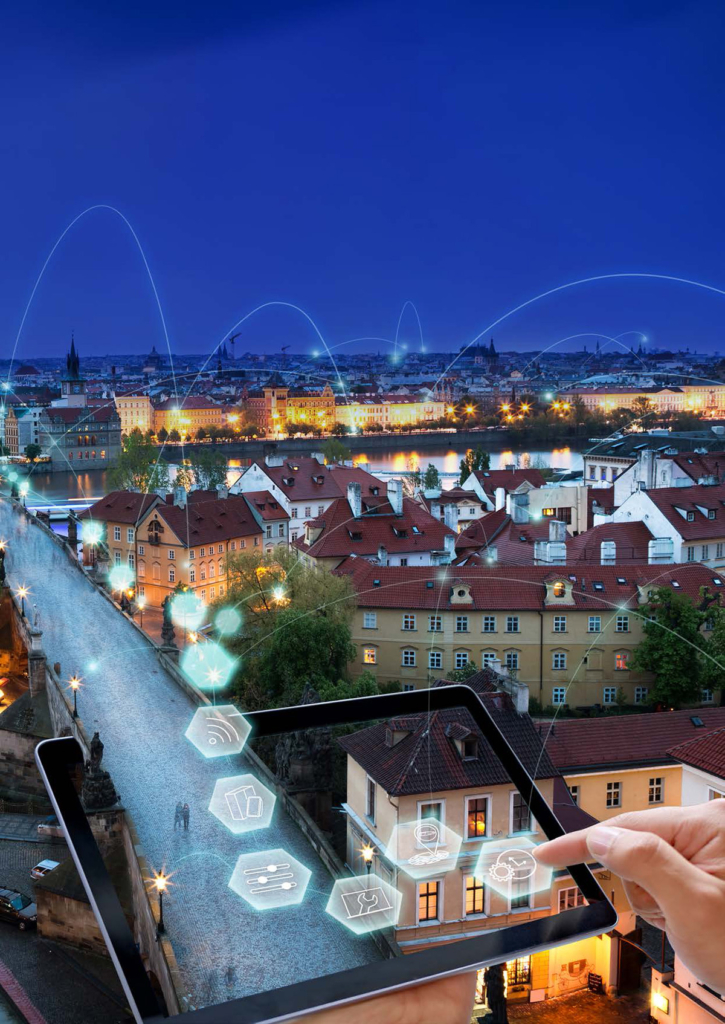
Smart lighting refers to a public lighting system that can automatically adapt to the uses, environments, and needs of communities.
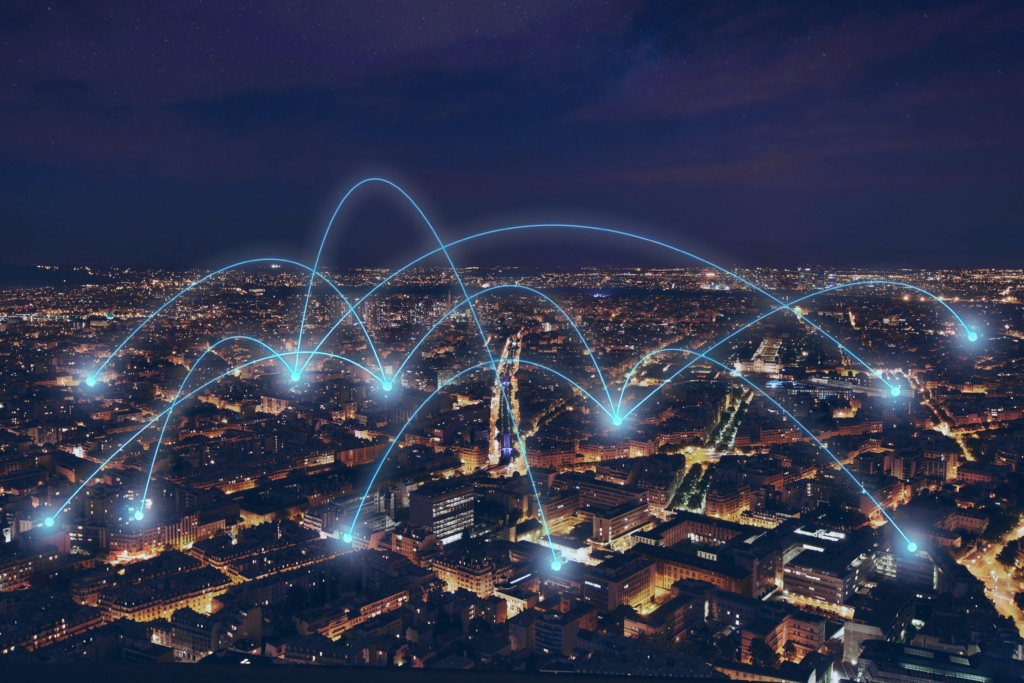
Thanks to connected lighting fixtures, sensors, and a monitoring platform, each light point becomes controllable, measurable, and scalable.
Lighting is no longer just a source of light: it is becoming an smart infrastructure, serving energy efficiency, safety, and quality of life in public spaces.
Why make lighting smart?
Street lighting is one of the largest sources of energy consumption for local authorities. It is also a major lever for improving safety, comfort, and attractiveness in local areas.
Smart lighting allows you to:
- sustainably reduce energy consumption
- adapt lighting to actual uses
- anticipate maintenance operations
- have a scalable infrastructure for the urban services of tomorrow
Today, it is an essential pillar of any Smart Citystrategy.
How does a connected lighting system work?
A connected lighting system is based on three main components:
- Smart light points : equipped with controllers capable of communicating
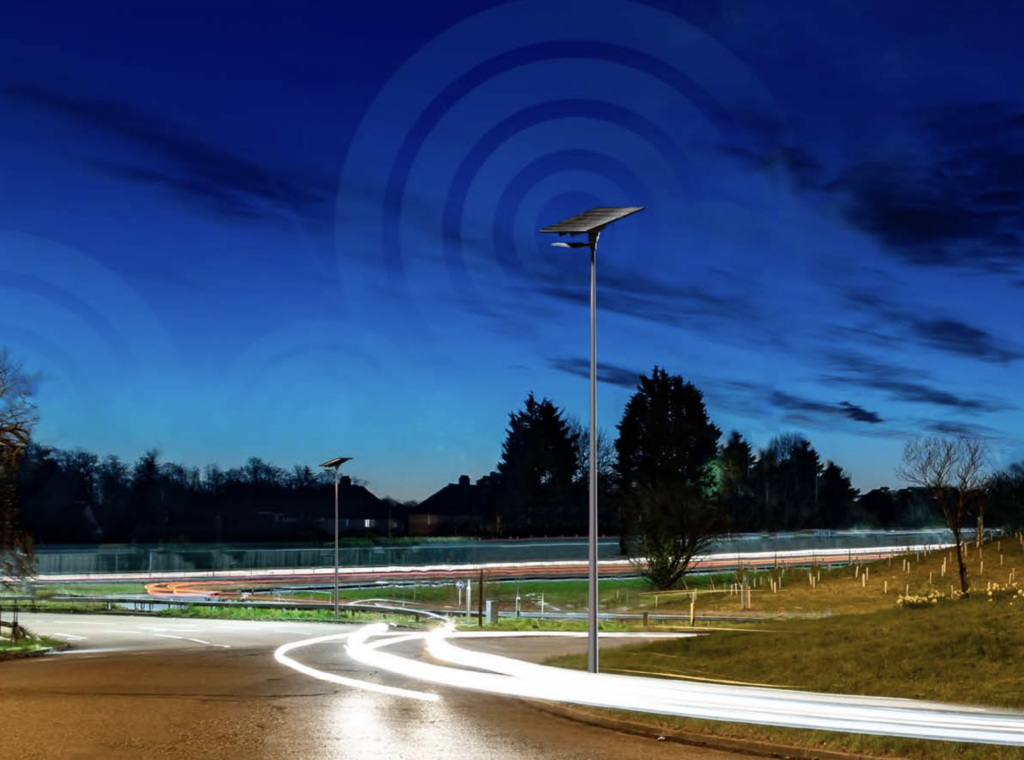
- The communication network : LoRaWAN, cellular or mesh network
- The monitoring platform : for managing, analyzing, and optimizing
Each light fixture can be controlled individually or in groups, programmed according to time schedules, and monitored in real time.
The community thus has a comprehensive and controlled overview of its lighting infrastructure.
What are the concrete benefits?
Smart lighting generates immediate and measurable benefits:
Energy performance
- Up to 80% energy savings
- Sustainable reduction in carbon footprint
Quality of service
- Improved safety and visual comfort
- Adaptation to nighttime and seasonal uses
Optimized maintenance
- Automatic fault detection
- Reduction in field interventions
Scalability
- Future integration of sensors and urban services
- Technological foundation of the Smart City
Is smart lighting reliable and mature?
Smart lighting is now based on standardized industrial technologies that are widely deployed in Europe and around the world.
Communication protocols, mechanical standards (NEMA, Zhaga), and supervision platforms guarantee:
- interoperability between equipment
- long-term investments
- controlled cybersecurity
Connected lighting is now a reliable, durable, and fully operational solution reliable, sustainable, and fully operational for local authorities.
Smart lighting, the first building block of the Smart City
Due to its territorial density and permanent power supply, the public lighting network is an ideal infrastructure for deploying connected urban services.
Environmental sensors, presence detection, energy monitoring, video surveillance, mobility, etc.
Smart lighting is becoming a technological backbone of the Smart City, scalable and designed for tomorrow's uses.
Discover also